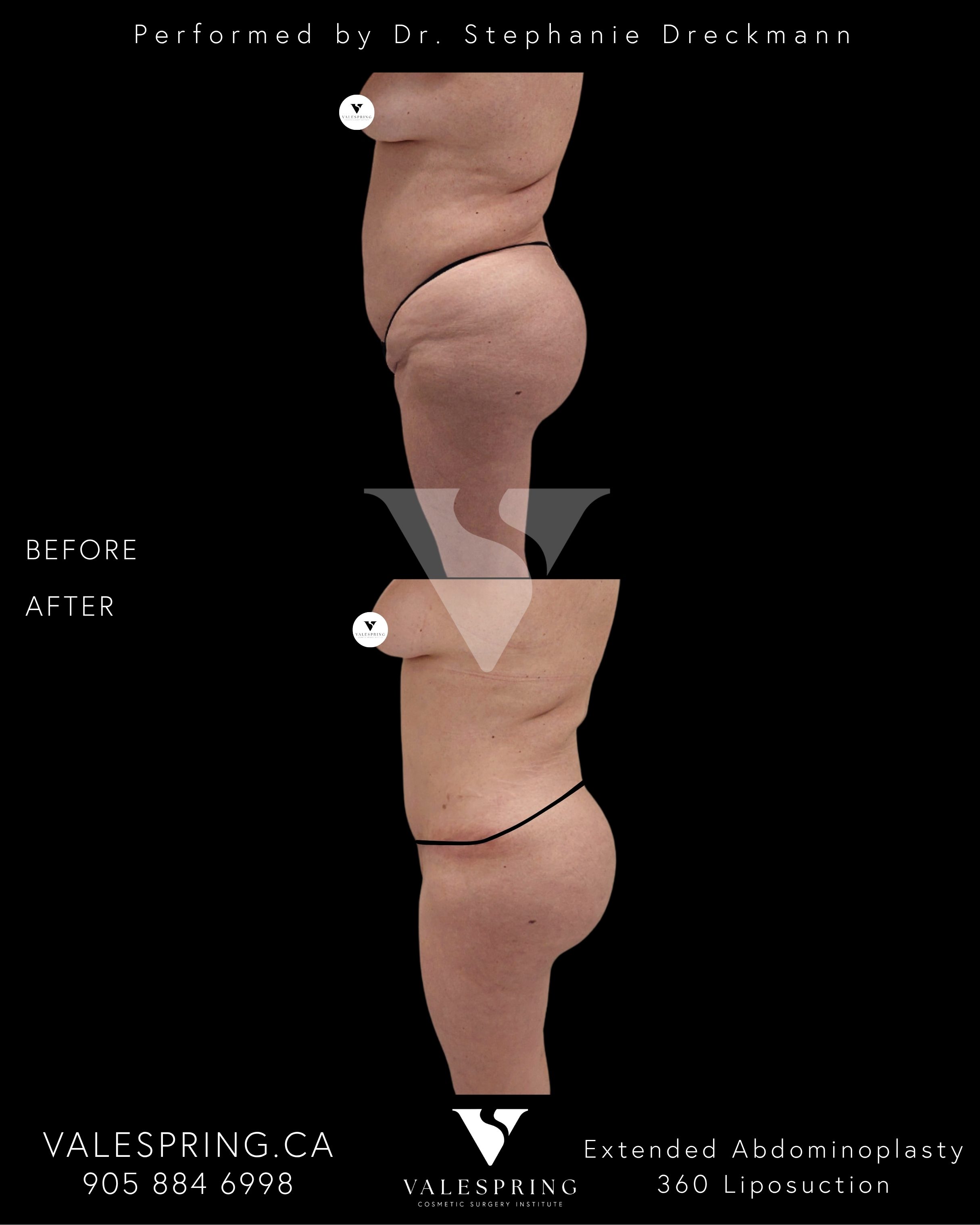
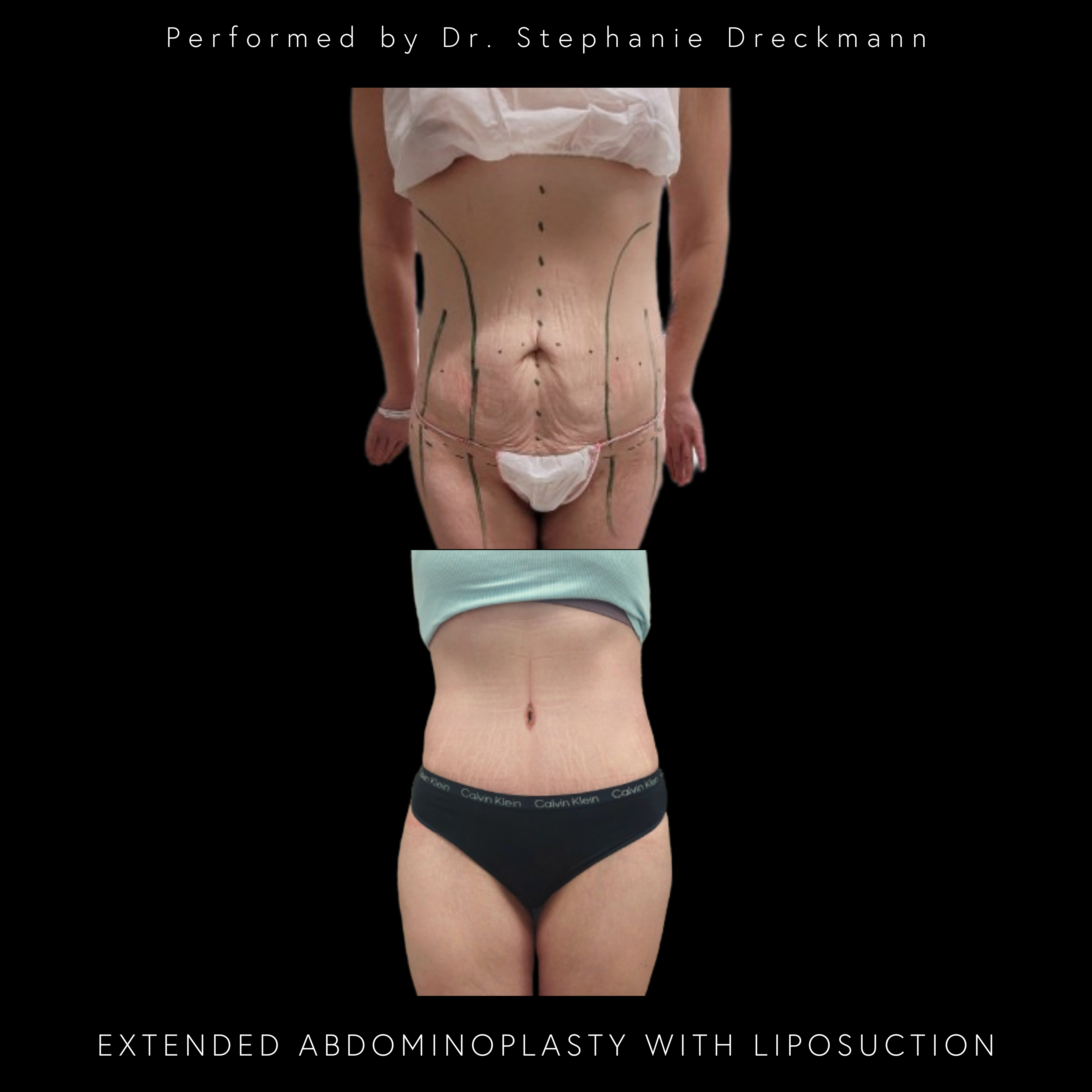
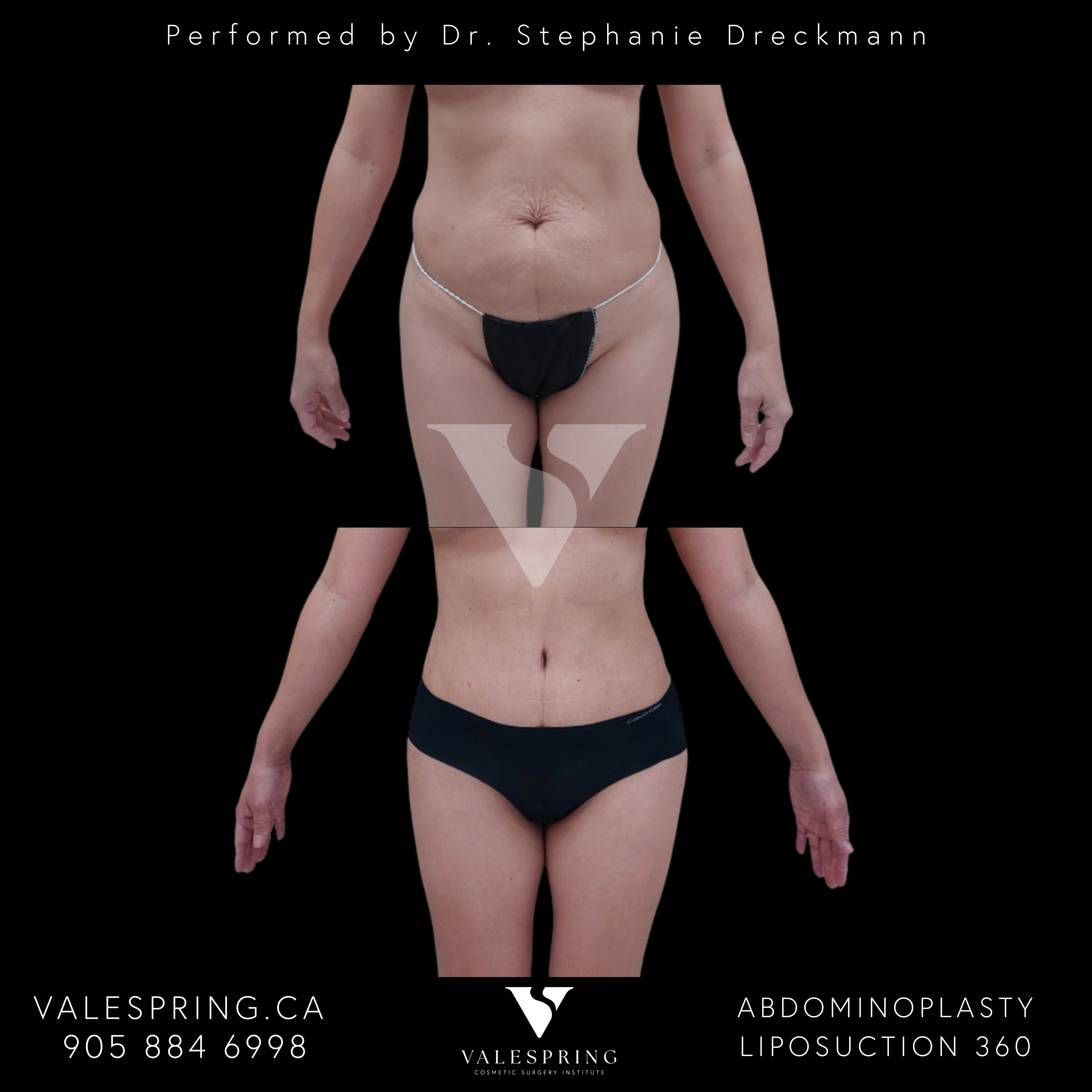
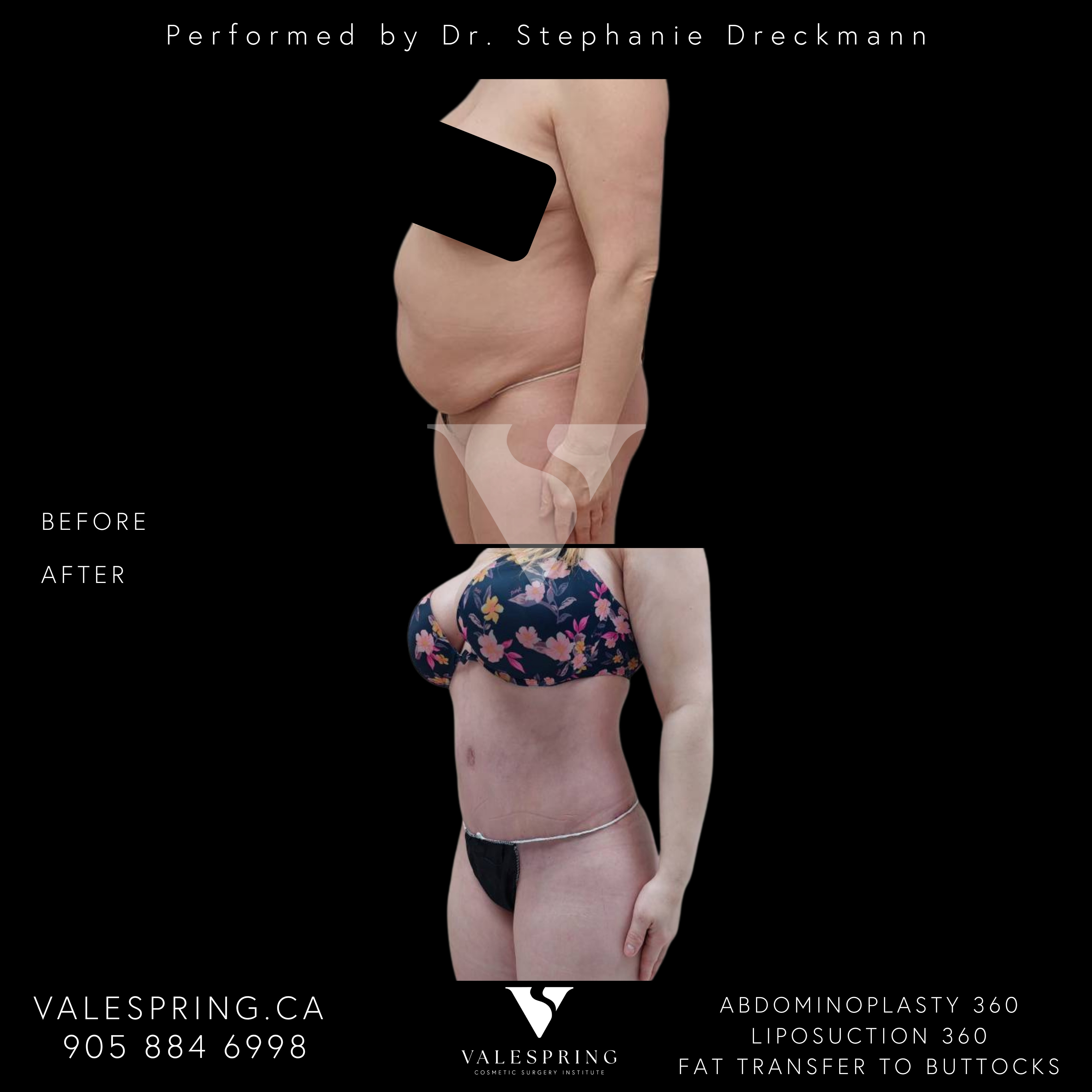
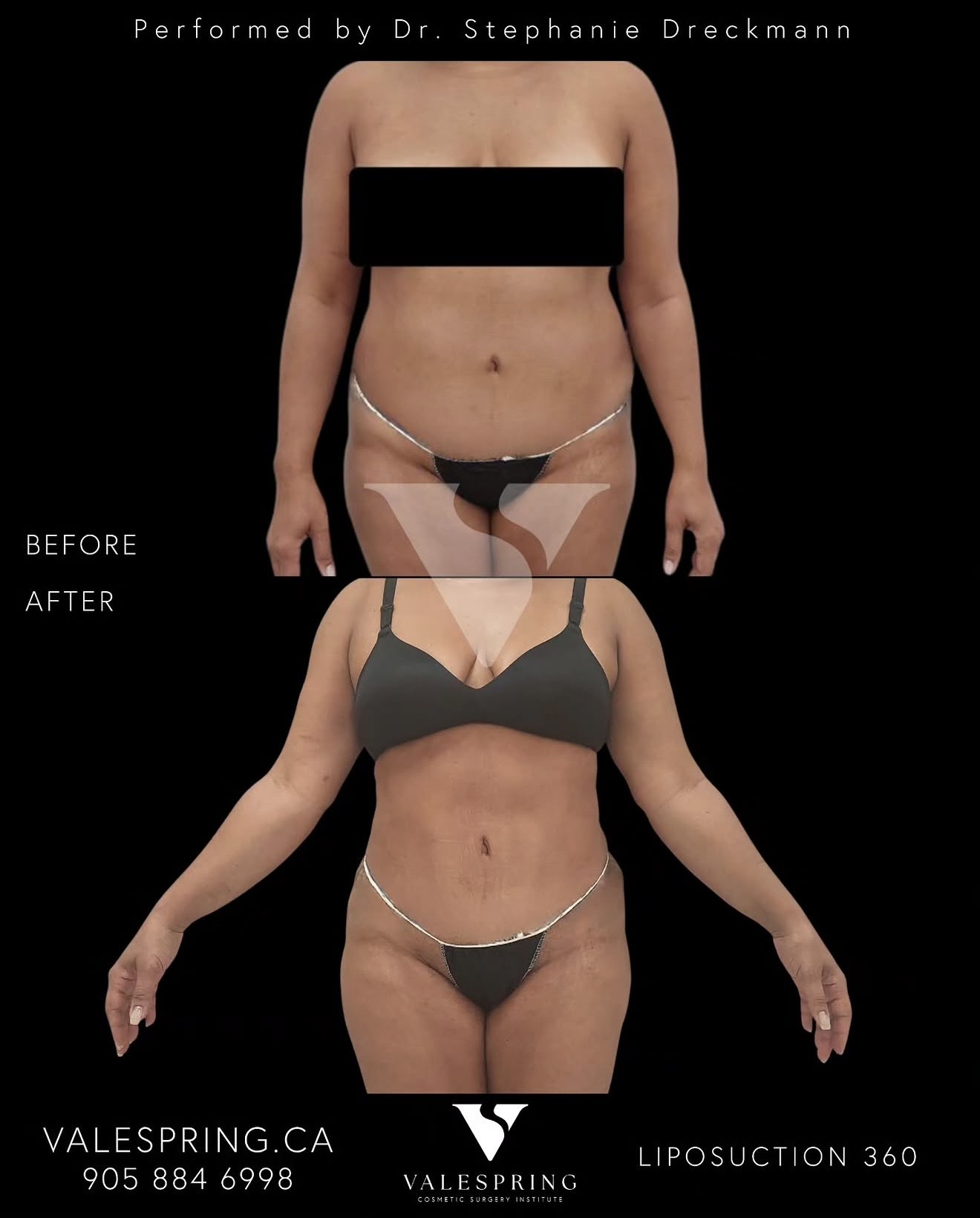
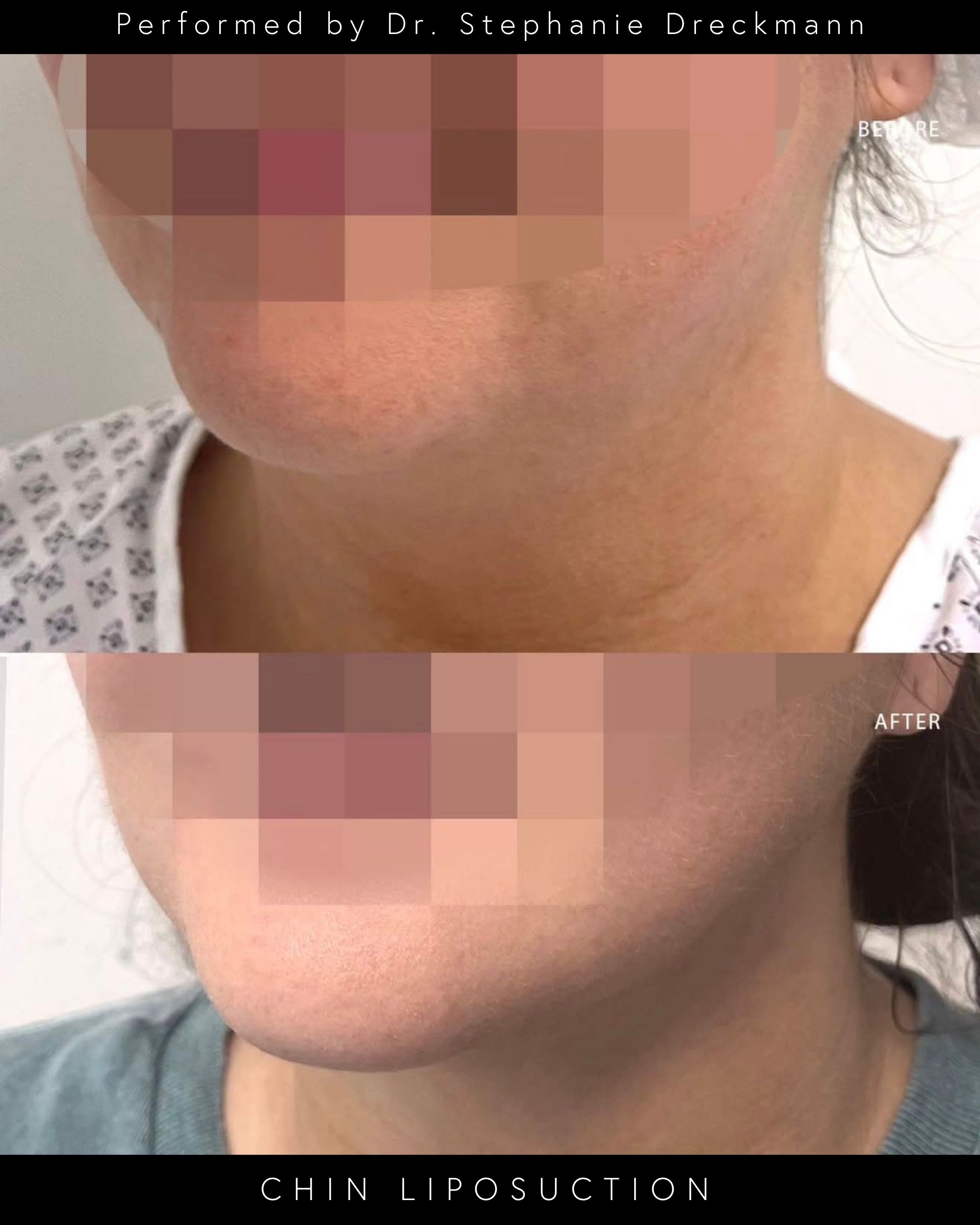
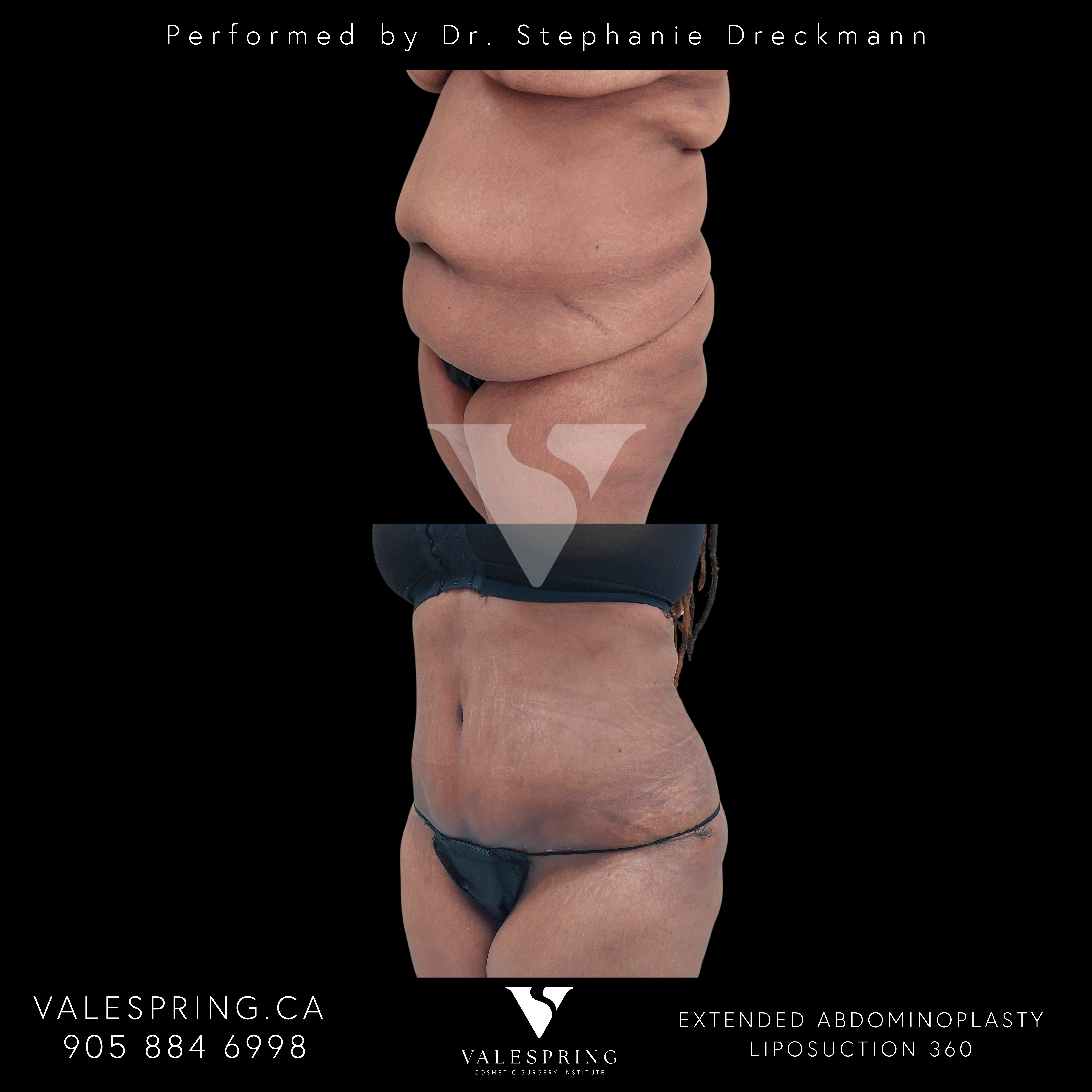
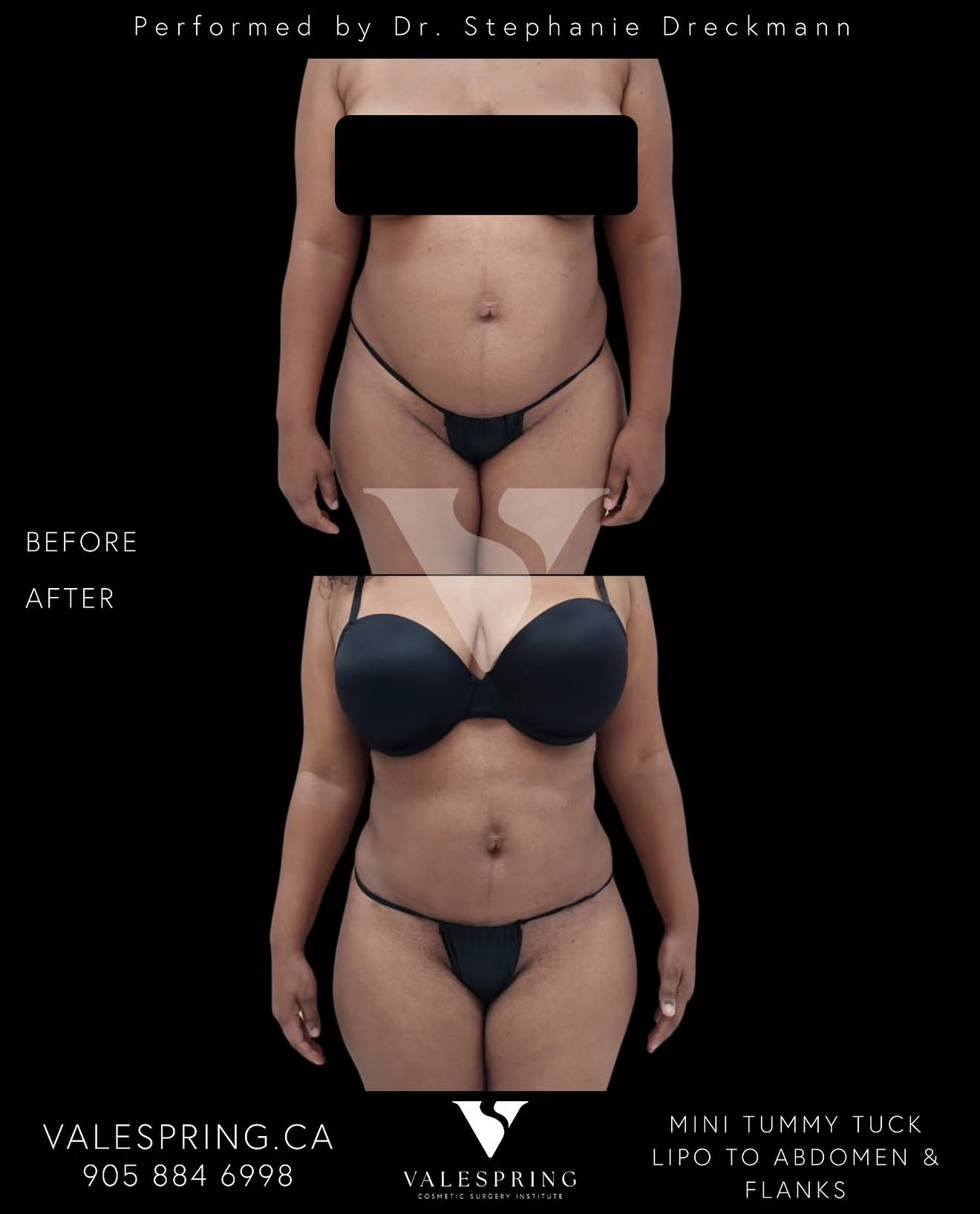
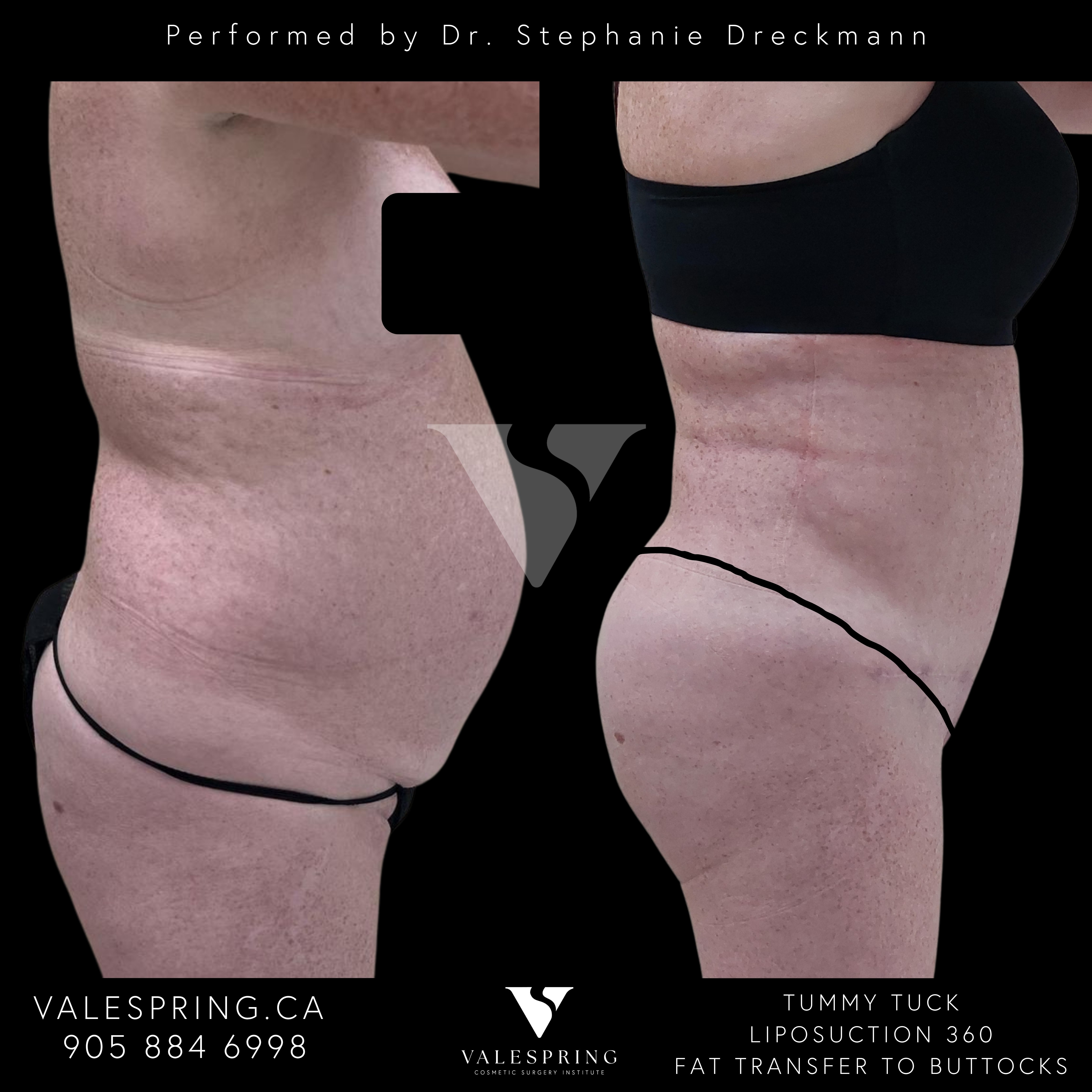
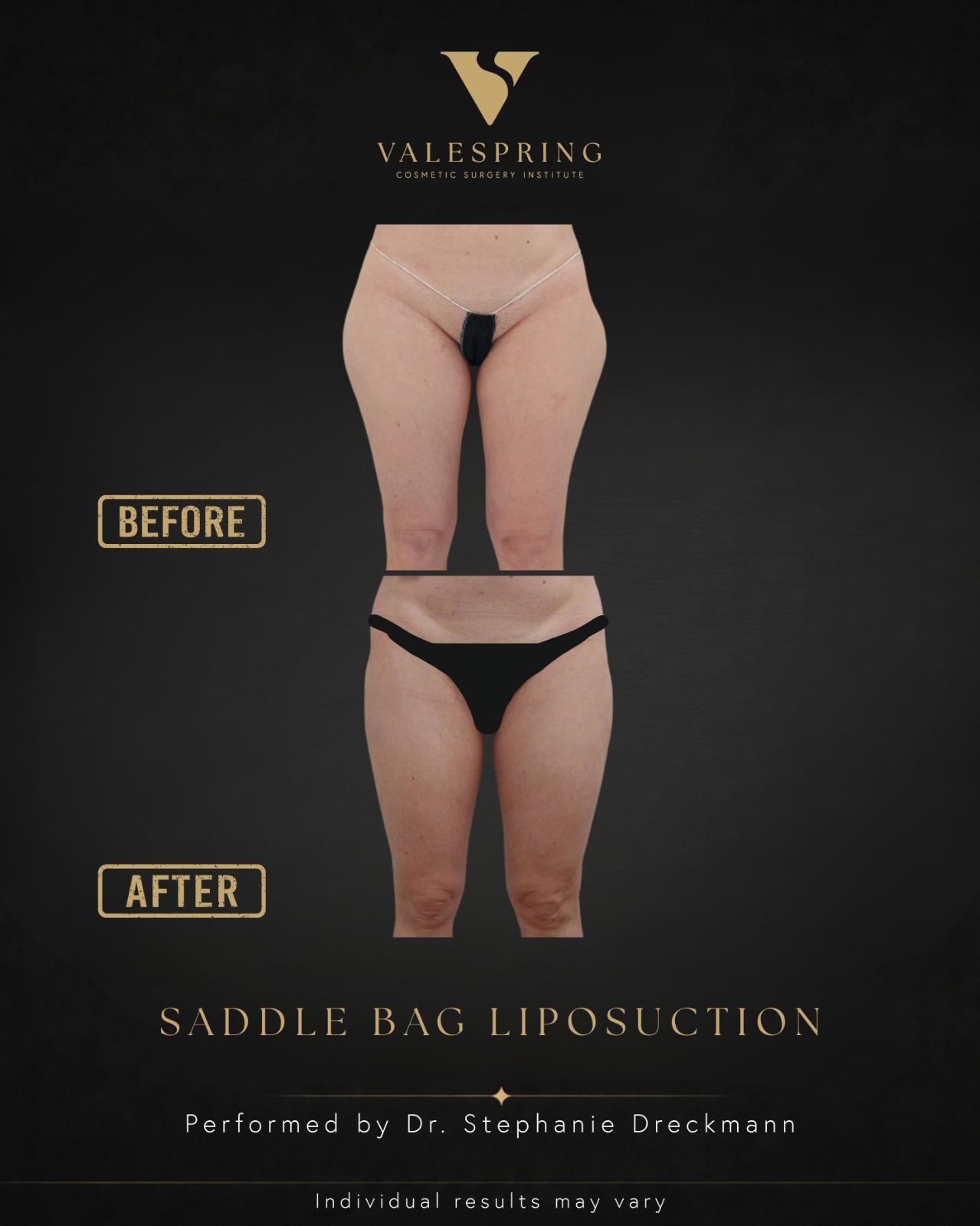
The First 48 Hours After Liposuction
The first 48 hours after liposuction are usually focused on rest, comfort, and following your post-operative instructions carefully. It is normal to feel swollen, bruised, tender, and tired during this early stage. Some patients may also notice fluid drainage from incision sites, depending on the technique used and the areas treated.
You will usually need someone to drive you home after surgery and stay with you during the early recovery period. Light walking is often encouraged soon after surgery to support circulation, but strenuous activity, heavy lifting, and intense exercise should be avoided until you are cleared by your surgical team.
During this stage, it is important to take medications only as instructed, wear your compression garment as directed, stay hydrated, and monitor your symptoms. If you are unsure whether something is normal, it is always best to contact the clinic rather than guessing.
Week One: Swelling, Bruising and Compression
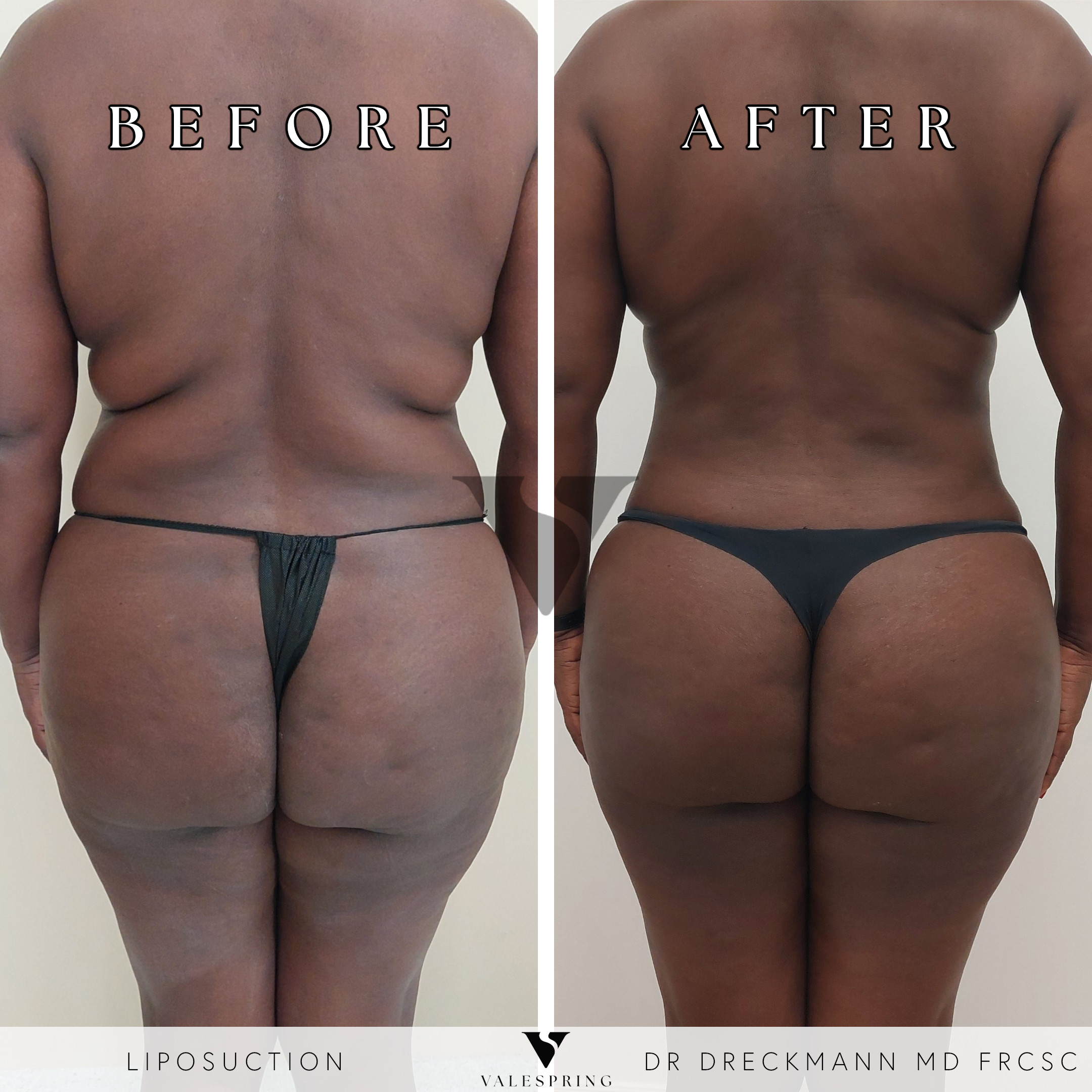
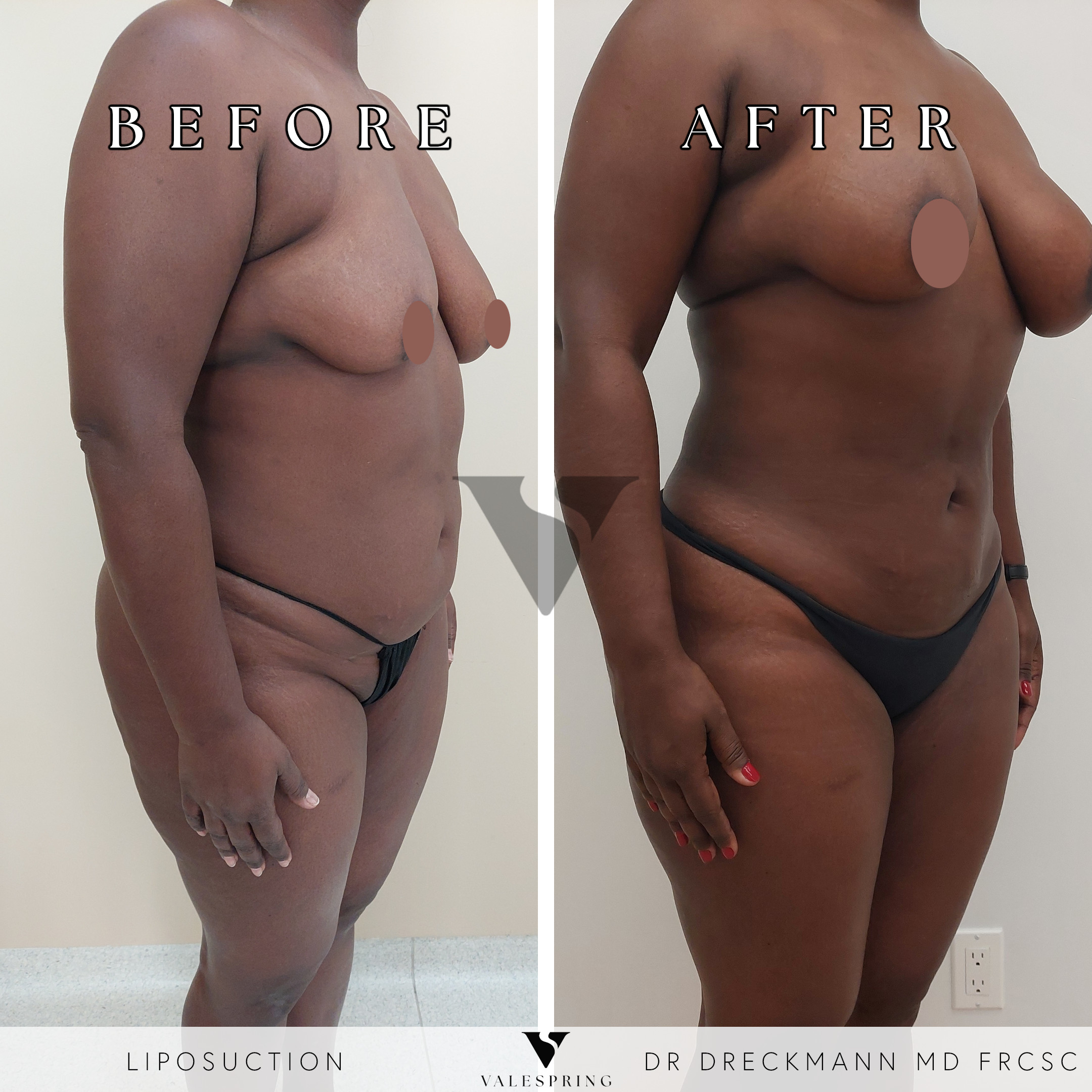
The first week is often when swelling and bruising are most noticeable. Treated areas may feel firm, tight, sore, or numb. This is a normal part of the healing process, and early results should not be judged too soon because swelling can temporarily hide the final contour.
A compression garment after liposuction is commonly used to support the treated areas, help manage swelling, and assist the tissues as they begin to settle. The exact garment schedule can vary depending on the areas treated and Dr. Stephanie Dreckmann’s instructions. Patients should wear their garment exactly as directed and avoid making changes without approval from the surgical team. Wearing the compression garment for the prescribed length of time is very important for an optimal surgical result.
Many patients can return to light daily activities during the first week, but this depends on the extent of surgery and the type of work they do. A desk-based job may require less time away than a physically demanding job. If your work involves lifting, bending, or long periods of standing, you may need more recovery time.
Weeks Two to Four: Returning to Daily Activity
During weeks two to four, many patients begin to feel more comfortable and mobile. Bruising may start to fade, soreness often improves, and swelling may gradually decrease. However, it is still common for the treated areas to feel firm, uneven, or temporarily sensitive during this stage.
Patients may be able to return to more normal routines, depending on their healing and the instructions provided by the surgical team. Light walking is usually helpful, but more strenuous workouts should only be resumed when approved. Returning to exercise too early can increase swelling, discomfort, or the risk of complications.
This is also a time when patients may start to notice changes in shape, but the body is still healing. For patients who had more extensive contouring, such as abdomen, flanks, back, or multiple areas, swelling can last longer and results may take more time to refine.
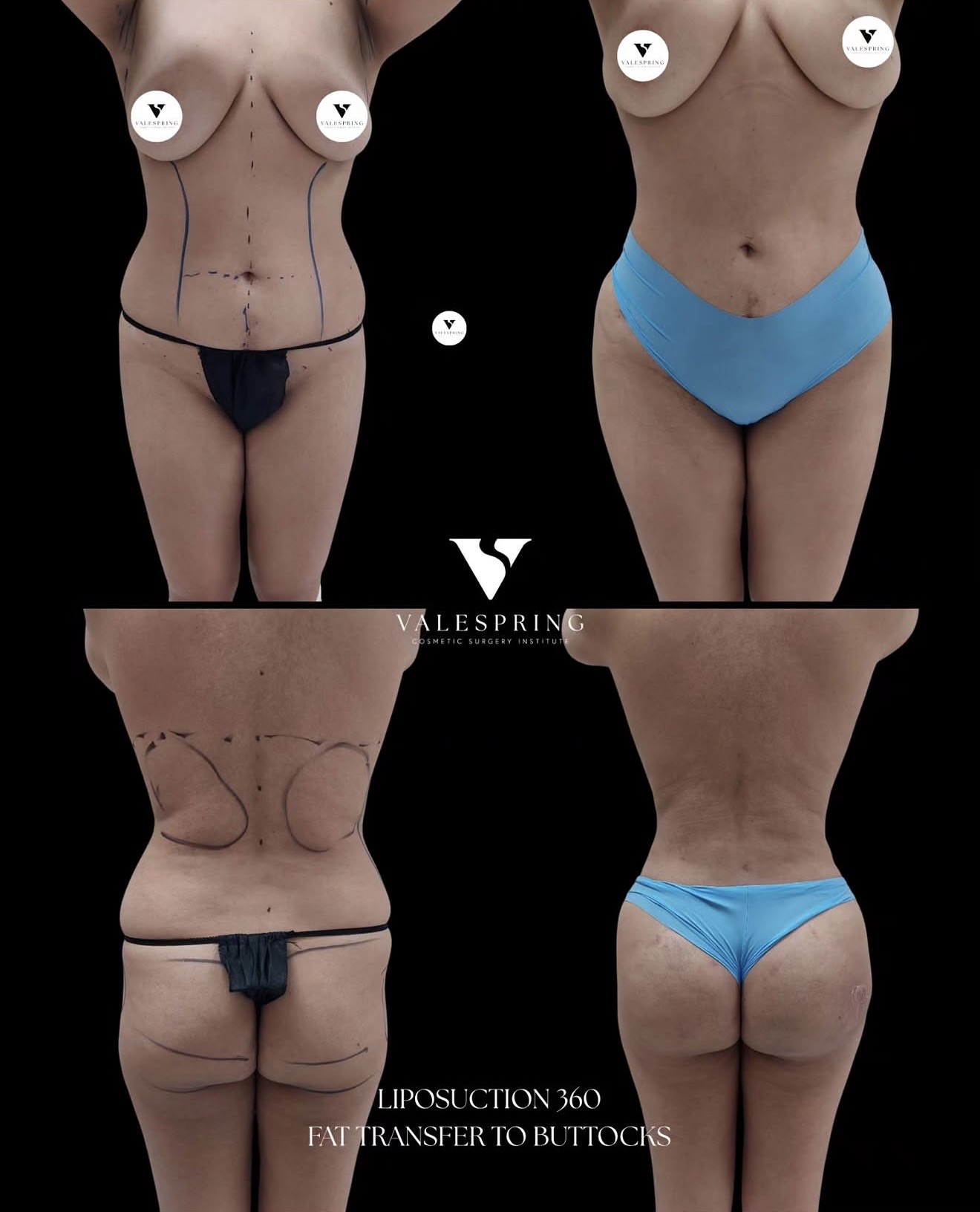
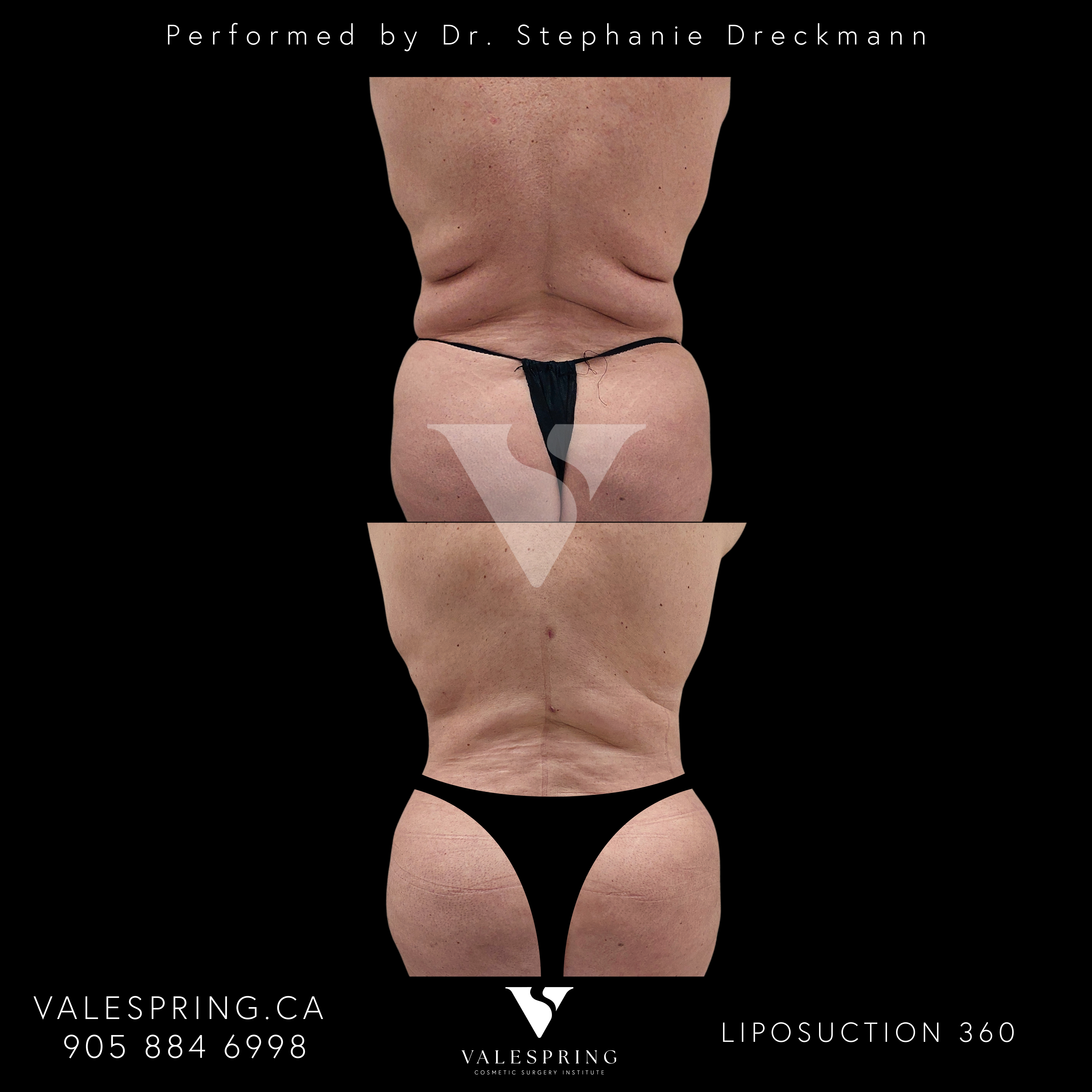
If you are comparing different liposuction options, you may want to learn more about Liposuction or read our Lipo 360 in Toronto guide for more information about circumferential midsection contouring.
Months One to Three: Seeing Your Results Develop
Between one and three months after liposuction, swelling usually continues to improve and the treated areas may begin to look more defined. Clothing may fit differently, and patients may start to see the contour changes more clearly.
Even at this stage, results are still developing. Some swelling can come and go, especially after activity, travel, salty meals, or long days on your feet. This does not necessarily mean something is wrong. The body often needs time to fully settle after liposuction.
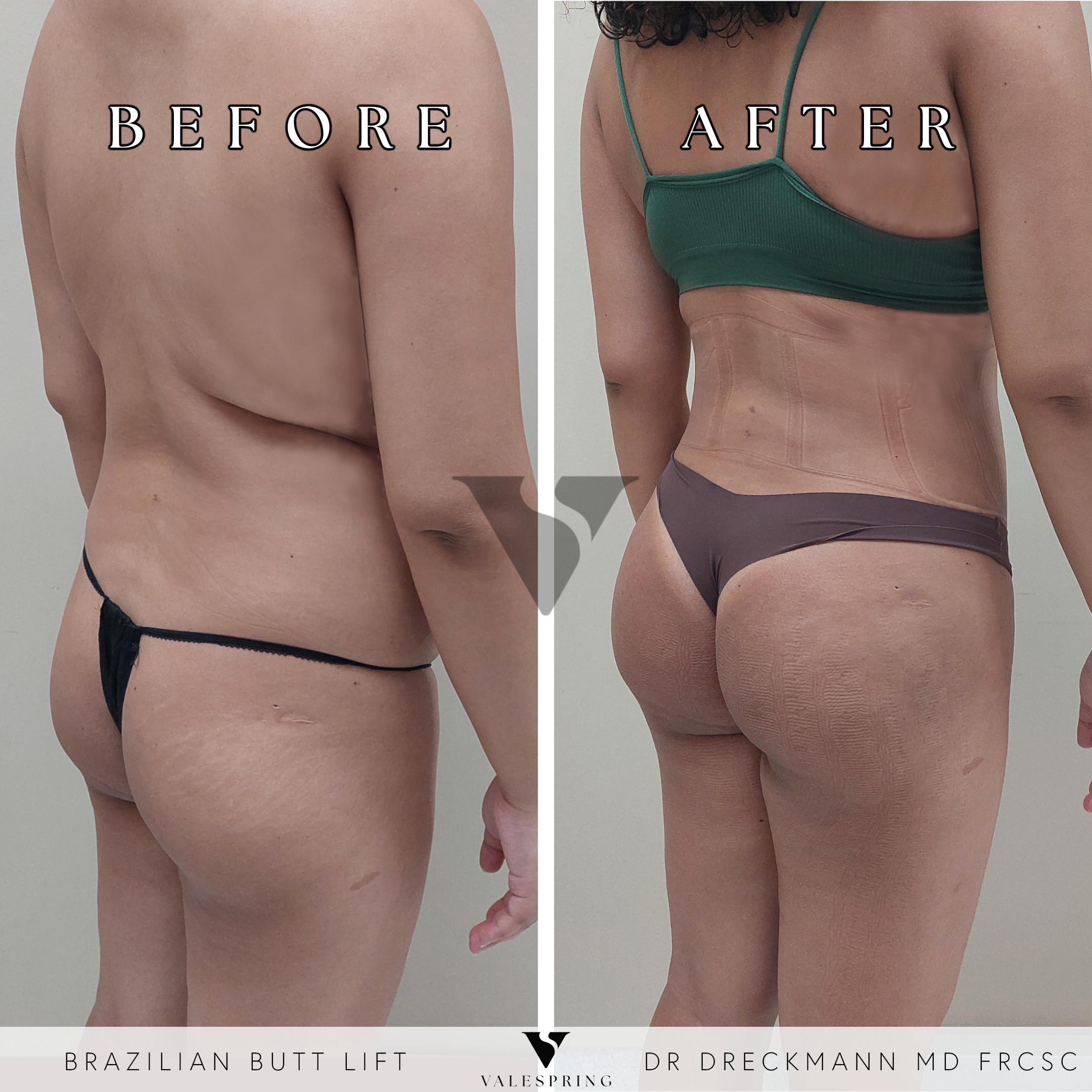
Final results can take 6-12 months to appear, especially after larger-volume or multi-area liposuction. Maintaining a stable weight, following post-operative instructions, and attending follow-up appointments can help support the best possible outcome.
Tips to Support a Smooth Recovery
A smooth liposuction recovery depends on both the surgical plan and the patient’s aftercare. While you cannot rush healing, you can support your recovery by following the instructions provided by your surgical team.
Helpful recovery habits may include:
- Wearing your compression garment as directed
- Walking lightly to support circulation
- Avoiding strenuous exercise until cleared
- Staying hydrated and eating balanced meals
- Avoiding smoking or nicotine products during healing
- Keeping follow-up appointments
- Contacting the clinic if symptoms feel unusual or concerning
Patients interested in broader surgical planning can also explore our Body Contouring page to understand how liposuction may fit into a larger contouring plan.
When to Contact Your Surgeon
Some swelling, bruising, tenderness, and numbness can be expected after liposuction. However, certain symptoms should be reported to your surgical team promptly. These may include worsening pain that does not improve with medication, increasing redness or warmth, fever, unusual drainage, sudden swelling on one side, or concerns about the incision sites.
Patients should seek urgent medical attention at a hospital for serious symptoms such as chest pain, shortness of breath, fainting, or severe calf pain or swelling. These symptoms are uncommon, but they should never be ignored.
At Valespring Cosmetic Surgery, Dr. Stephanie Dreckmann and the surgical team provide post-operative instructions so patients know what to expect and when to reach out. If you are ever unsure during recovery, it is better to contact the clinic for guidance.
Planning Liposuction Recovery
Liposuction recovery is a gradual process. The first few days are usually the most uncomfortable, the first few weeks involve swelling and activity restrictions, and the final contour continues to improve over several months.
Planning ahead can make recovery easier. Patients should arrange transportation, prepare comfortable clothing, understand their compression garment instructions, and schedule enough downtime based on the extent of their procedure and work responsibilities.
If you are considering liposuction in Toronto or Richmond Hill, a consultation with Dr. Stephanie Dreckmann can help you understand what recovery may look like for your specific treatment plan.
To learn more, visit our Liposuction service page, read our Lipo 360 in Toronto guide, explore Body Contouring, or contact Valespring to book a consultation.