How Fat Transfer Breast Augmentation Works
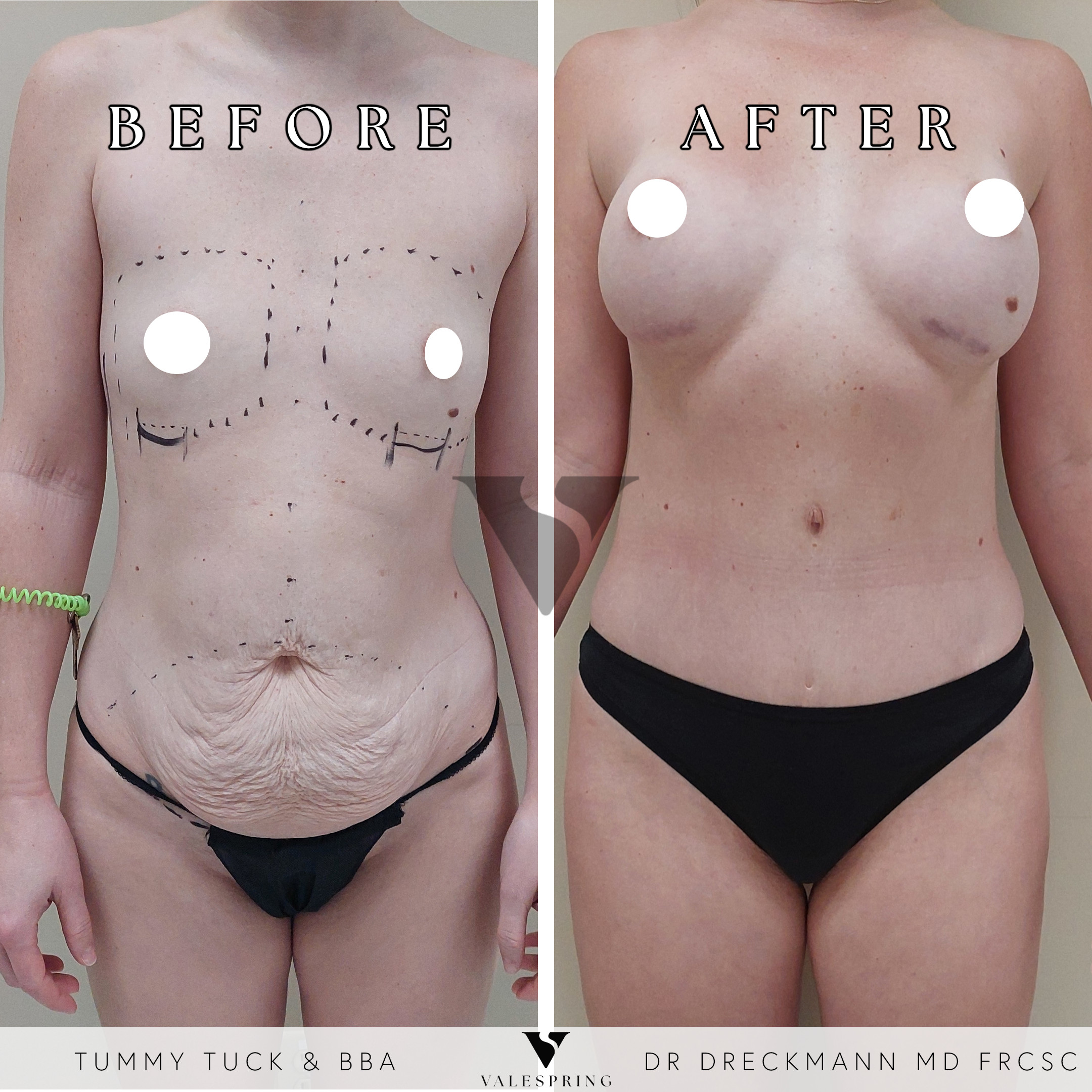
Fat transfer breast augmentation, also called breast augmentation with fat grafting, uses liposuction to remove fat from one area of the body and transfer it to the breasts. Common donor areas may include the abdomen, flanks, waist, thighs, or other areas where there is enough usable fat available.
After the fat is removed, it is processed and prepared for transfer. The surgeon then carefully places the fat into the breast tissue to improve fullness, contour, and symmetry. Because the procedure uses the patient’s own fat, it can be appealing to patients who want natural breast augmentation without implants.
The result is usually more subtle than implant-based augmentation. Fat transfer may be a good option for patients who want a modest increase in volume, improved shape, or soft filling in specific areas rather than a dramatic change in breast size.
One benefit of fat transfer is that it also includes liposuction of the donor areas. For some patients, this can improve overall body contour while adding subtle breast volume. However, the amount of fat that can be transferred depends on how much donor fat is available and how much can be safely placed.
Patients can learn more about this option on our Fat Transfer Breast Augmentation page or review our Fat Transfer page to understand how fat grafting is used in cosmetic surgery.
How Implant Augmentation Works
Breast implant augmentation uses saline or silicone implants to increase breast volume and shape. Unlike fat transfer, implants can usually create a more predictable size increase because the implant volume is selected before surgery.
Implants may be preferred by patients who want a more noticeable change, more upper-pole fullness, or a specific breast size goal. They can also be a better option for patients who do not have enough donor fat for fat transfer breast augmentation.
Implant planning involves several decisions, including implant type, size, profile, placement, incision location, and how the implant fits with the patient’s natural anatomy. These decisions are made during consultation based on the patient’s goals, chest width, breast tissue, skin quality, and desired outcome.
Patients considering implant-based enhancement can learn more on our Breast Augmentation page.
Comparing Results, Size Increase and Longevity
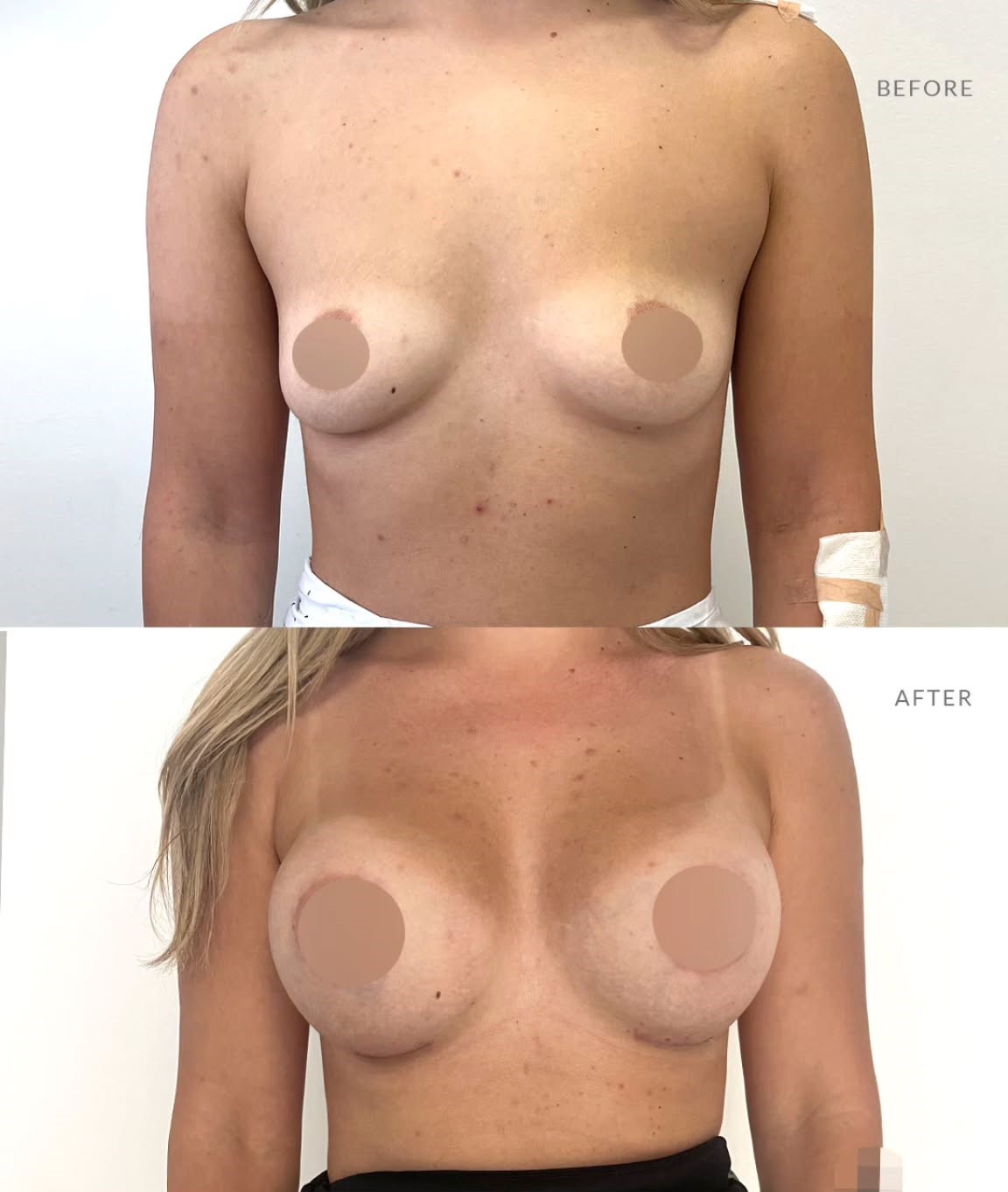
The biggest difference between fat transfer breast augmentation and implants is the type of result each procedure can realistically create. Fat transfer is usually better for patients who want a modest, natural-looking enhancement. Implants are usually better for patients who want a larger or more defined size increase.
With fat transfer, the final result depends partly on fat survival. Not all transferred fat survives long term. Some fat may naturally reabsorb during healing, while the remaining fat that establishes a blood supply can become longer lasting. This means early fullness after surgery may look different from the final result after swelling decreases and the transferred fat stabilizes.
With implants, the volume is not dependent on fat survival. The selected implant provides the size increase. However, implants are medical devices and may require monitoring, future maintenance, or revision surgery over time. Patients should understand both the benefits and long-term responsibilities of implant-based augmentation before choosing this option.
Fat transfer may be a better fit for patients who want a soft, subtle improvement and are comfortable with a more limited size change. Implants may be a better fit for patients who want more dramatic volume or a more predictable breast size increase.
Scarring, Recovery and Maintenance Compared
Scarring is different for each approach. Fat transfer breast augmentation usually involves small liposuction incisions in the donor areas and small access points for fat placement. These incisions are typically much smaller than the incisions used for implant placement.
Implant augmentation requires an incision to place the implant. The incision location may vary depending on the surgical plan, anatomy, and implant type. Common locations may include the breast fold, around the areola, or another approach recommended by the surgeon.
Recovery also differs. With fat transfer, patients recover from both liposuction and breast fat grafting. This means there may be swelling, bruising, tenderness, or tightness in the donor areas as well as the breasts. Compression garments may be recommended for the liposuction areas depending on the surgical plan.
With implants, recovery is more focused on the breast and chest area. Patients may experience tightness, swelling, pressure, or discomfort as the body heals. Activity restrictions and return-to-exercise timing depend on the surgical plan and Dr. Stephanie Dreckmann’s instructions.
Maintenance is another important difference. Fat transfer does not involve an implant device, but the result can change with weight changes and fat survival. Implants provide a more predictable volume increase, but patients should understand that implants may require future monitoring or revision. During consultation, Dr. Dreckmann can explain what long-term care may look like for each option.
Who Is a Candidate for Each Approach?
A good candidate for fat transfer breast augmentation is usually someone who wants a modest, natural-looking increase in breast volume and has enough donor fat available for liposuction and transfer. This option may appeal to patients who want breast augmentation without implants, prefer a softer result, or want to combine breast enhancement with contouring of areas such as the waist, flanks, abdomen, or thighs.
However, not every patient is a candidate for fat transfer. Very slim patients may not have enough donor fat to achieve their desired result. Patients who want a larger cup size increase may also be better suited to implants or a combined approach.
A good candidate for implant augmentation is usually someone who wants a more noticeable increase in size, more predictable volume, or a specific breast shape goal that fat transfer alone may not achieve. Implants may also be appropriate for patients who do not have enough donor fat for fat grafting.
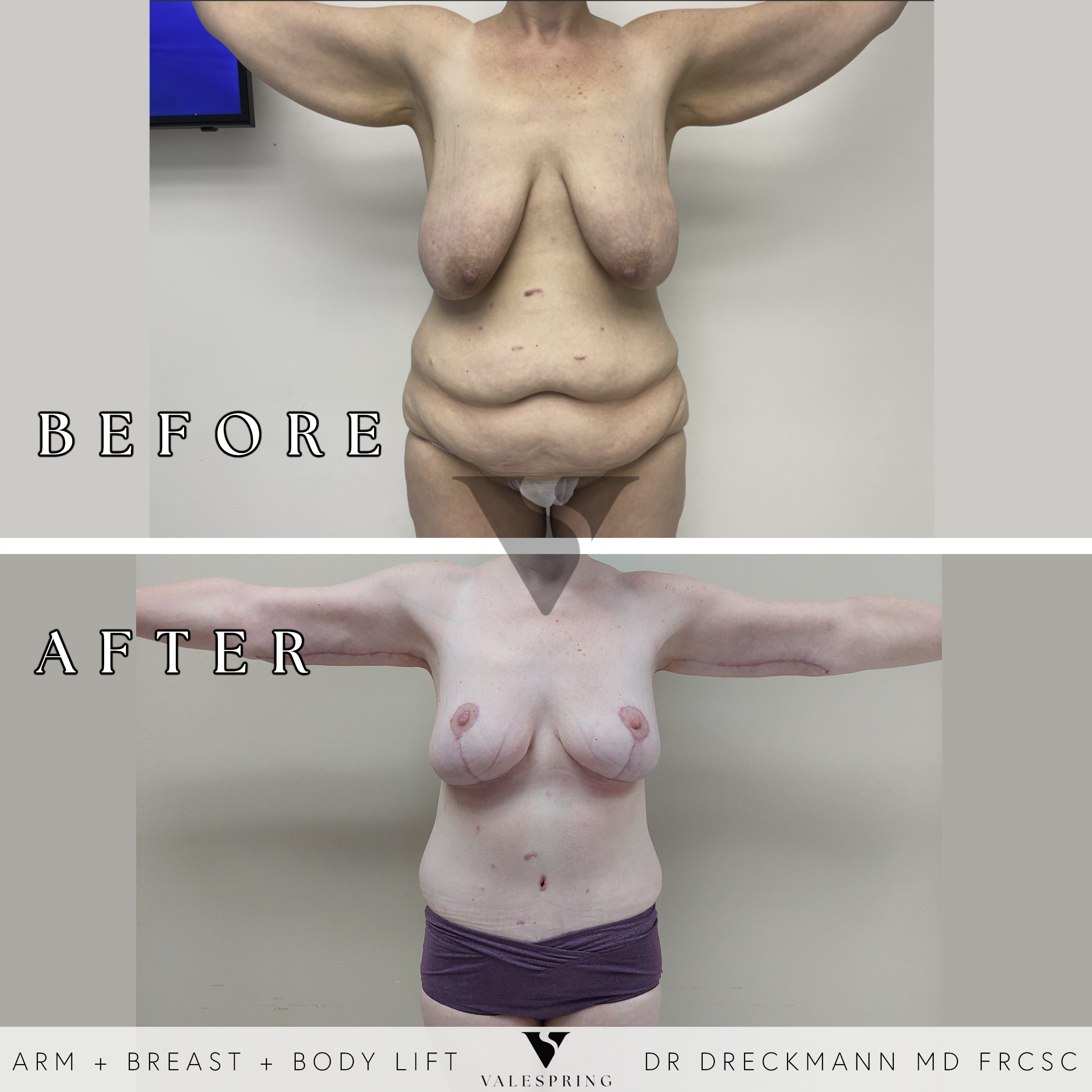
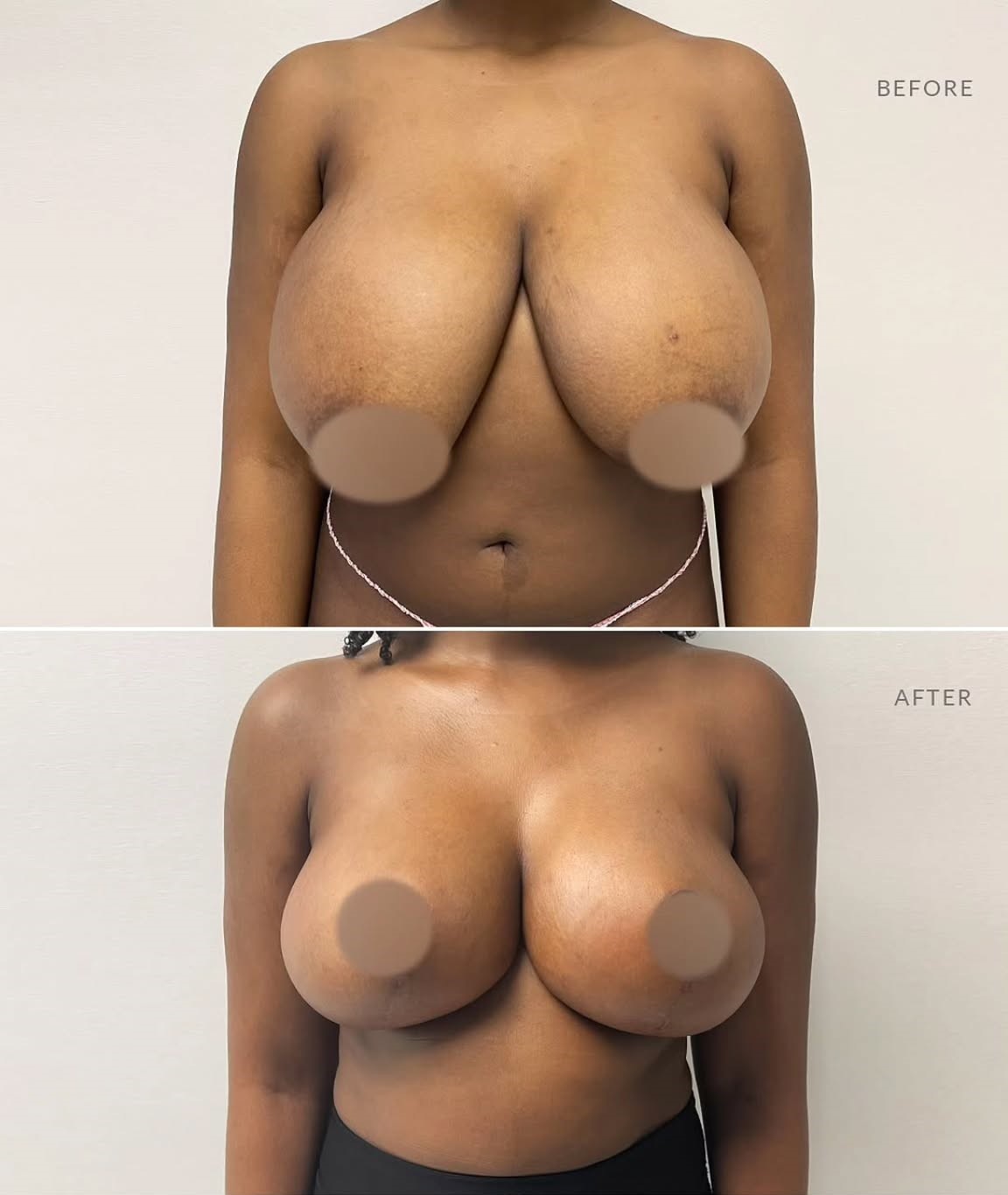
Patients who have sagging or significant skin laxity may need to discuss whether breast augmentation alone is enough. In some cases, a lift may be recommended to improve breast position. Patients comparing these options may also find it helpful to read our Breast Lift vs Breast Augmentation blog.
Can the Two Approaches Be Combined?
In some cases, fat transfer and implants can be combined. This approach may be used when a patient wants the volume and structure of an implant with additional soft contouring from fat grafting. Fat transfer may help refine certain areas, soften implant edges, or improve overall breast shape in selected patients.
A combined approach is not necessary for everyone. Some patients are better suited to fat transfer alone, while others may achieve their goals with implants alone. The right option depends on anatomy, goals, donor fat, skin quality, and the degree of change the patient wants.
During consultation, Dr. Stephanie Dreckmann can assess whether fat transfer breast augmentation, implant augmentation, or a combined approach may be appropriate. The goal is to create a surgical plan that matches the patient’s anatomy and desired outcome while maintaining realistic expectations.
Considering Breast Augmentation Options in Toronto?
Fat transfer breast augmentation and implants are both valuable options, but they are not interchangeable. Fat transfer is generally best for patients seeking modest, natural breast augmentation with their own fat. Implants are generally better for patients seeking a larger or more predictable size increase.
At Valespring Cosmetic Surgery in Richmond Hill, Dr. Stephanie Dreckmann performs breast augmentation and fat transfer procedures as part of a personalized cosmetic surgery plan. Each recommendation is based on the patient’s anatomy, goals, donor fat availability, and overall suitability for surgery.
To learn more, visit our Fat Transfer Breast Augmentation page, explore our Breast Augmentation page, review our Fat Transfer options, read our Breast Lift vs Breast Augmentation blog, or view our Gallery to see examples of patient results.